
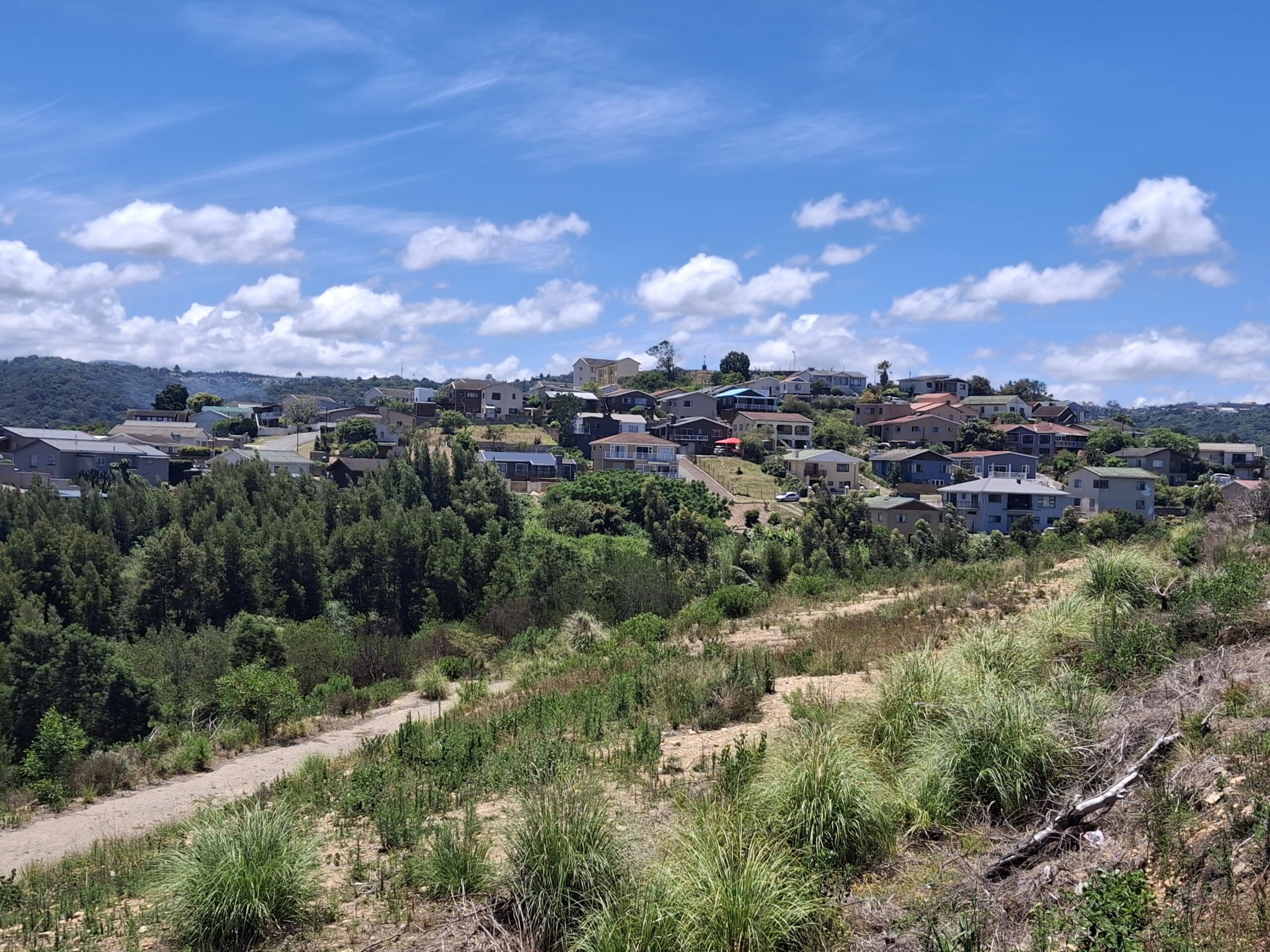
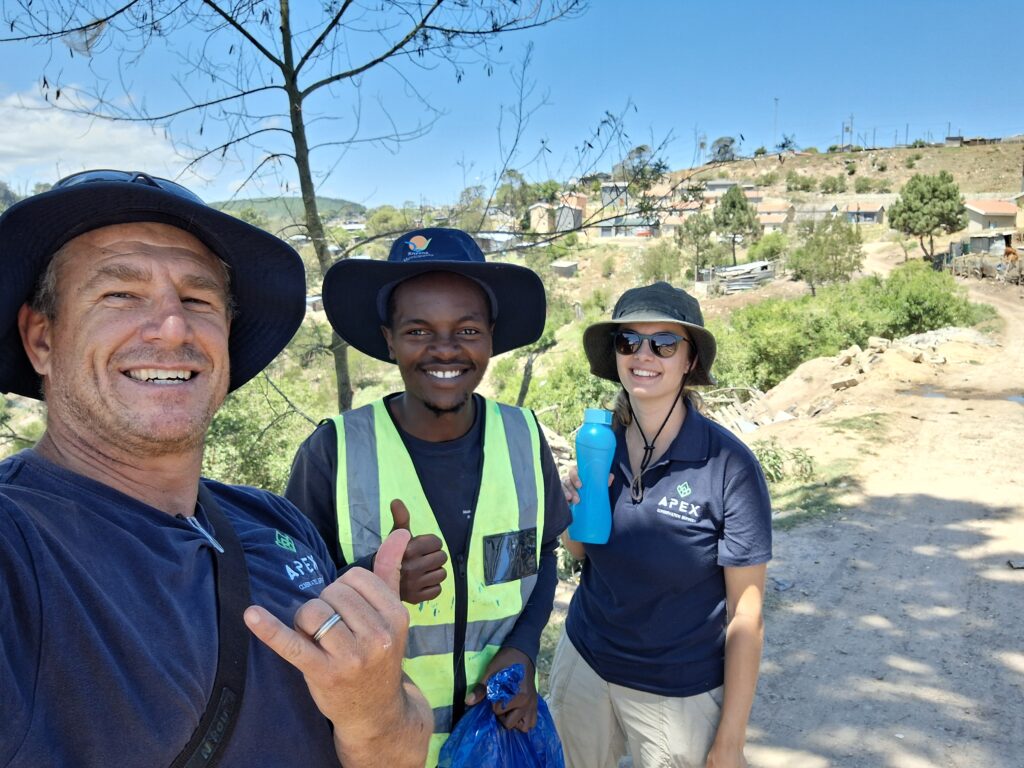
In 2025 and 2026 Apex Conservation Services undertook three major invasive alien species projects for local municipalities in the Garden Route and Cape Winelands District: Knysna Municipality, Mossel Bay Municipality, and Breede Valley Municipality. These projects included invasive alien species assessments across the extensive properties for each municipality and the compilation of invasive alien species monitoring, control and eradications plans (“invasive species control plans”) for each municipality.

Background to projects
All landowners, including municipalities, have the legal responsibility to control invasive alien species on their properties. When the properties are larger than 1 hectare, an invasive alien species control programme needs to be implemented aligned to an invasive species control plan. When working with the local municipalities, our team of qualified invasive alien species specialists undertake the invasive alien species projects in three key phases:
Phase 1: Engaging with the municipality
The first phase includes engaging with the municipality, usually in an inception meeting, to ensure that all the municipality’s requirements will be met during the project. During this period we also gather all the necessary resources from the municipality and undertake our own planning for the project.
Phase 2: Invasive alien species assessment
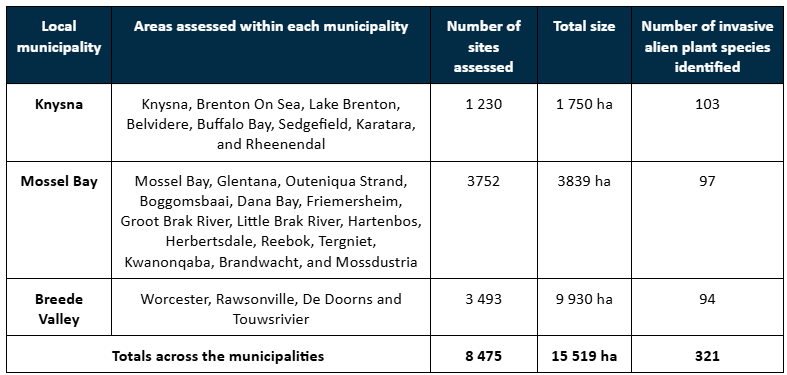
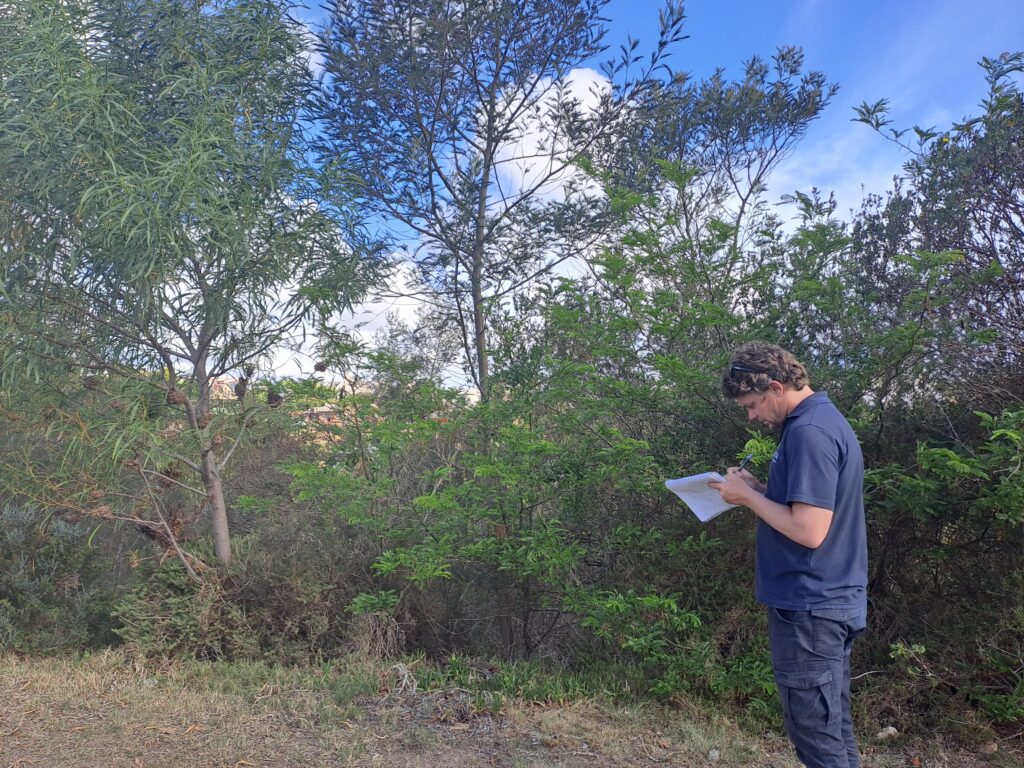
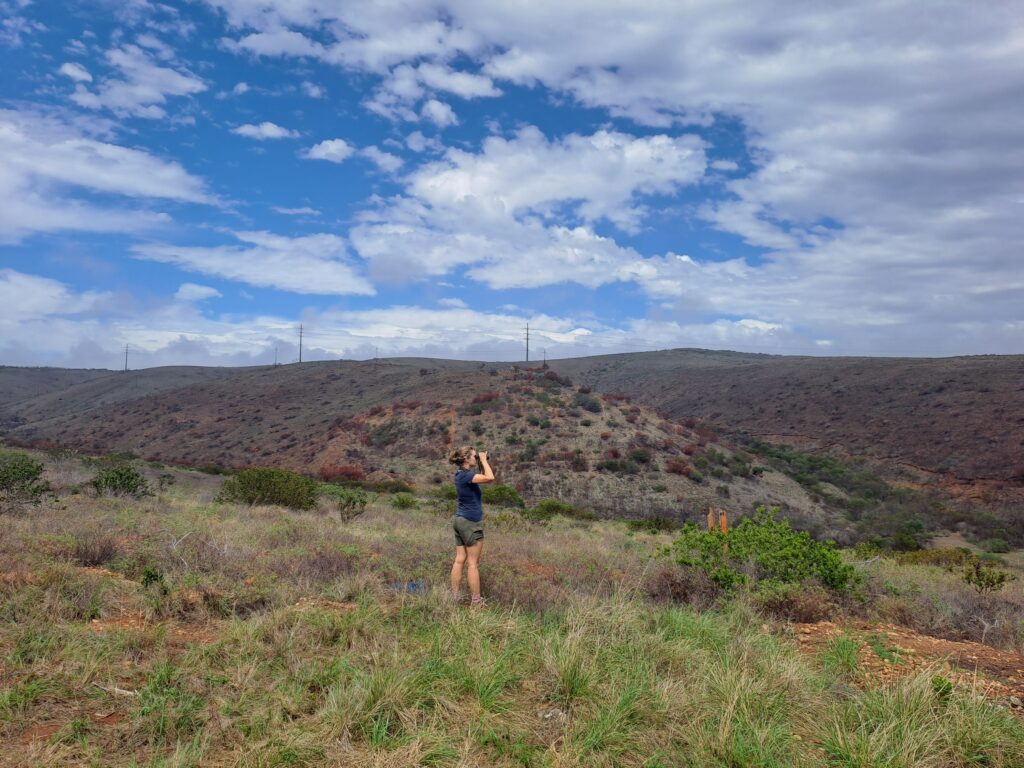
To comply with national legislation, all the municipal properties must be assessed. This includes identifying invasive alien species and collecting attribute data for each species on each property. The table below summarises the areas assessed by our invasive alien species specialists, the number and total sizes of properties assessed, and the number of invasive alien species identified in each municipality.
Phase 3: Development of an Invasive Alien Species Monitoring, Control and Eradication Plan
After the conclusion of the invasive alien species field assessments, the data is collated into a comprehensive database, which includes invasive species and attribute data for each property. All this information is then used to compile the invasive species control plan aligned to the objectives of each municipality. The invasive species control plan provides a timelined approach for the successful and sustainable control of invasive alien species in the municipal domain.
Risks and challenges of invasive alien species
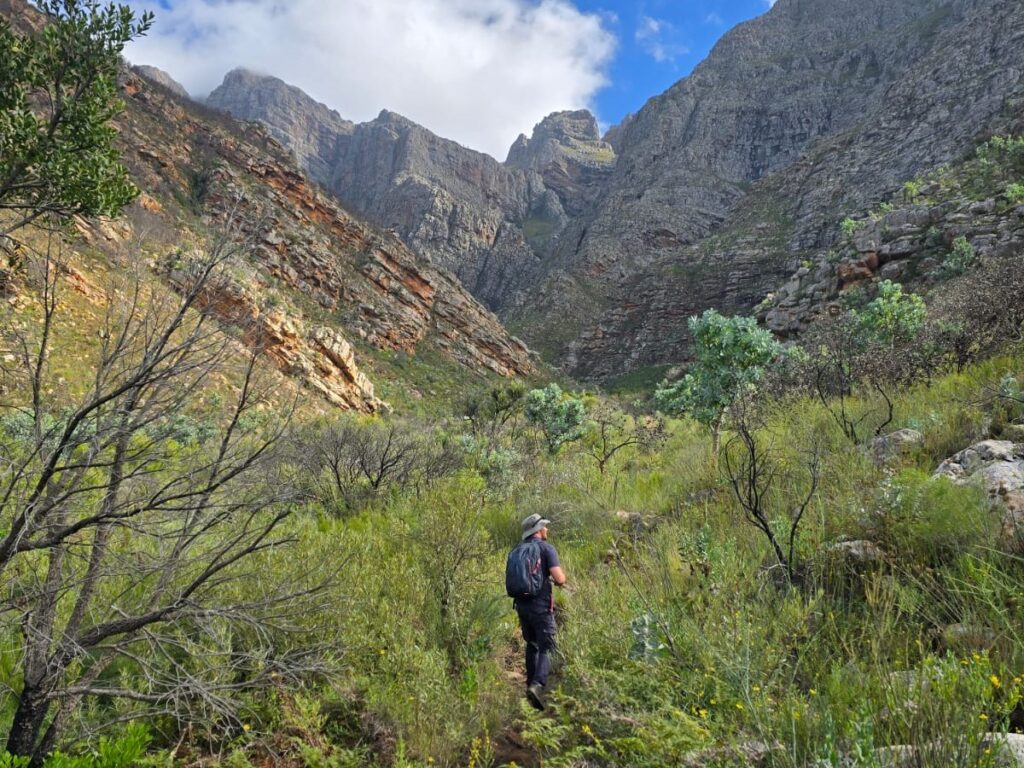
Invasive alien species pose several risks to municipal properties, and controlling these species has many challenges. Municipal properties are often located in urban areas and these species may therefore pose a substantial fire risk to the surrounding communities. The risk is particularly high where dense stands of woody invasive alien plants occur.
Pressure on local water supply is drastically increasing due to the impacts of climate change, including more frequent and prolonged droughts, as well as the increase of populations in these municipalities and inadequate water infrastructure. IAPs reduce streamflow and mean annual runoff, thereby reducing water available to municipalities. This impact is exacerbated when invasive alien plants are located around water sources. Invasive alien plants therefore pose a high risk to water availability in already water scarce areas.
These municipal properties are often fragmented between properties that are privately owned or managed by other state entities, and the presence of invasive species on them may result in them acting as a source of invasive alien species spread throughout widespread areas.
Many challenges exist for municipalities to control invasive alien plants on their properties. One of the many challenges is that due to the widespread locations, many invasion pathways exist for these properties. Invasion pathways are routes and processes by which invasive alien plants are introduced to and spread in new areas. Invasion pathways on municipal properties include the spread of invasive alien plants from private gardens, dispersal in rivers and along roads, and illegal dumping.
Another major challenge is resource constraints. Controlling invasive alien plants is extremely expensive. To ensure sustainable results, and that the invasive alien plants do not re-infest the areas, the control programmes also have to be implemented over many years. Therefore, due to the number of properties, controlling invasive alien species on all municipal properties is rarely feasible.
Prioritising properties
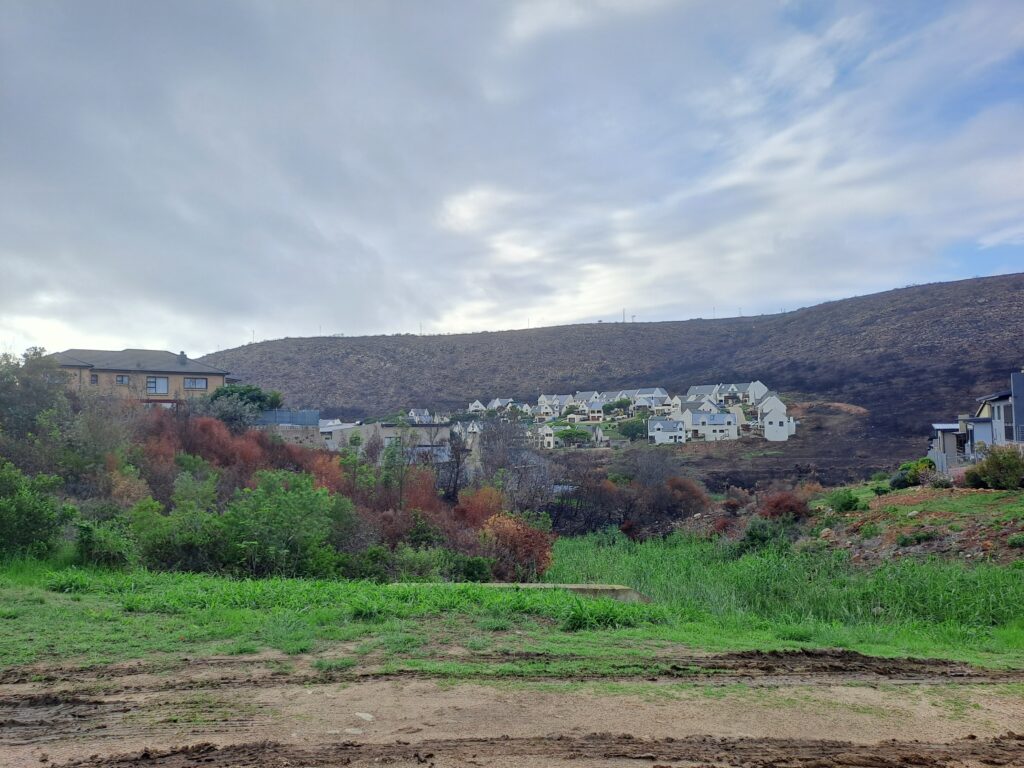
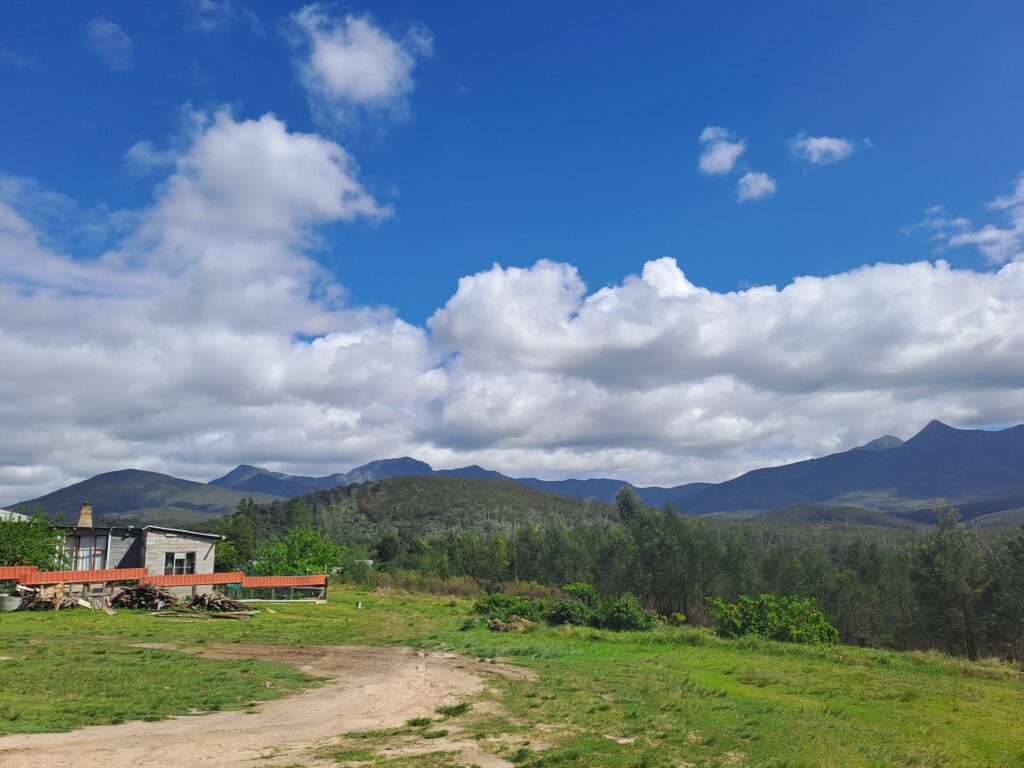
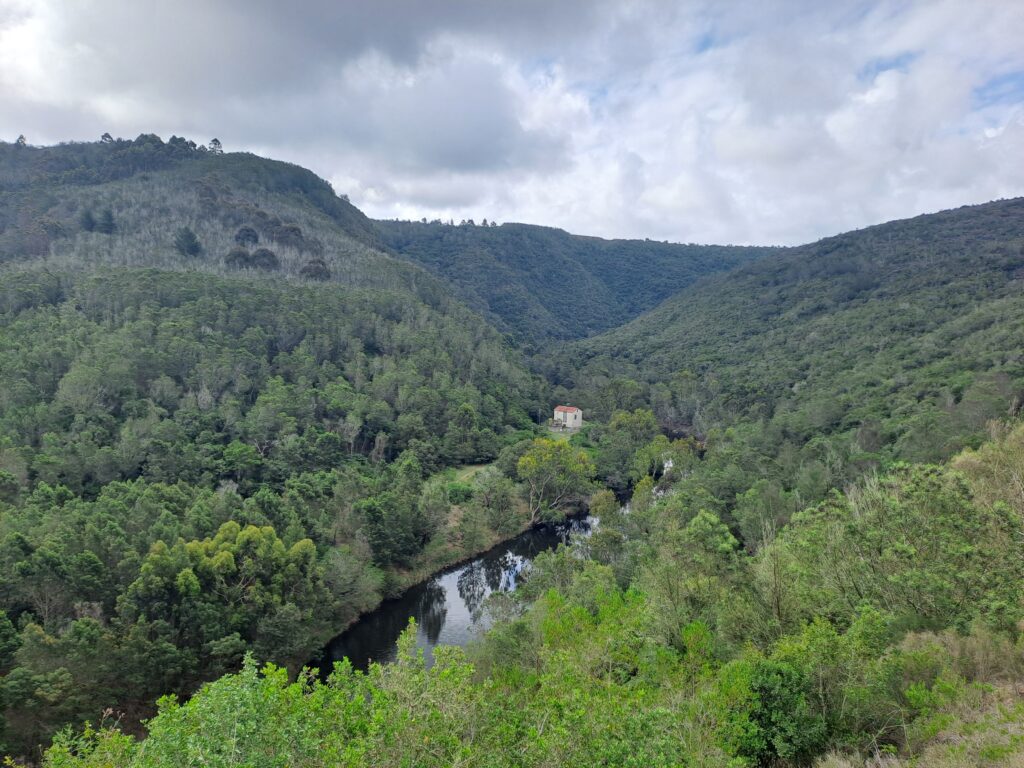
In an ideal world all invasive alien species would be controlled across every property immediately, however in reality, this is seldom viable. Due to the resource constraints that exist for controlling invasive alien species across an entire municipal domain, prioritising certain properties for invasive alien species control is crucial. Prioritisation means identifying the properties that are most in need of clearance in the first five-year clearing cycle. The prioritisation is undertaken using a prioritization matrix consisting of several key factors. These specific factors are customised aligned to the needs of each municipality. Examples of prioritisation factors include:
Fire risk: Invasive alien plants pose a major fire risk to surrounding communities and properties, especially where dense stands of woody species occur. Therefore properties with high fire risks are prioritised.
Water resource protection: Properties where invasive alien plants will negatively affect water resources, e.g. around rivers, must be prioritised.
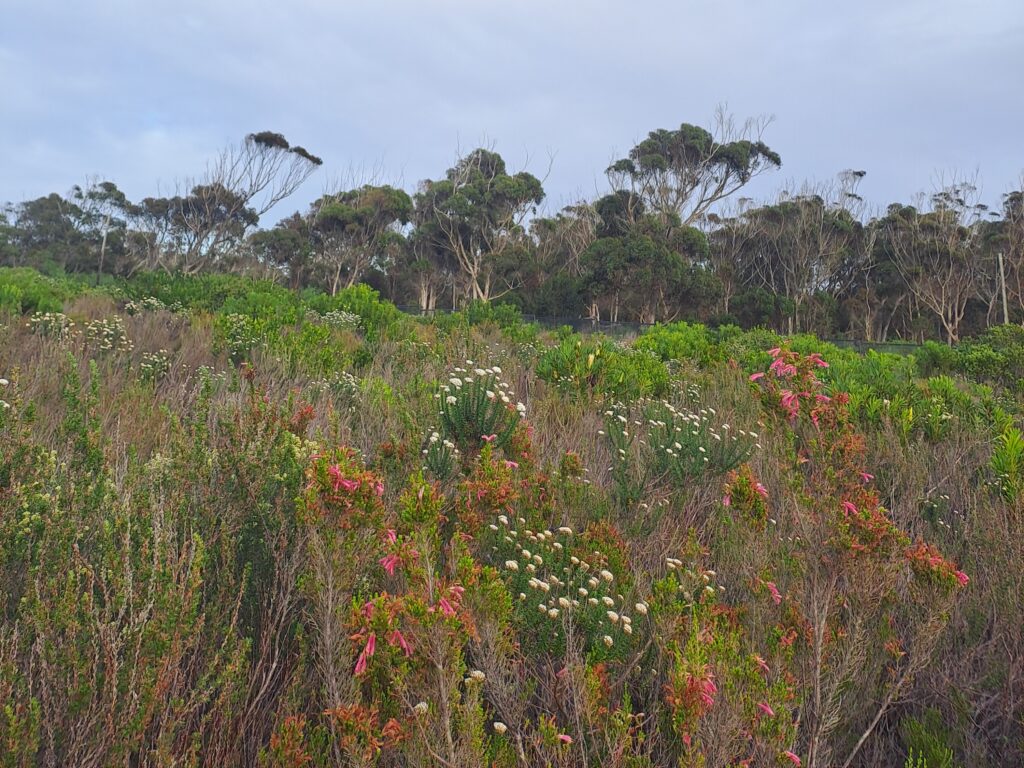
Protecting pristine and endangered habitats: Properties that have intact indigenous vegetation or sensitive habitats are prioritised to protect these areas from new or further invasive alien plant infestations.
A number of additional factors are usually also used to prioritise municipal properties for invasive alien species treatment. The factors are used to calculate a priority score for each property and the properties with the highest priority scores are prioritised. Properties that have high priority scores are scheduled to be cleared first, aligned to the municipality’s available budget.
Opportunities
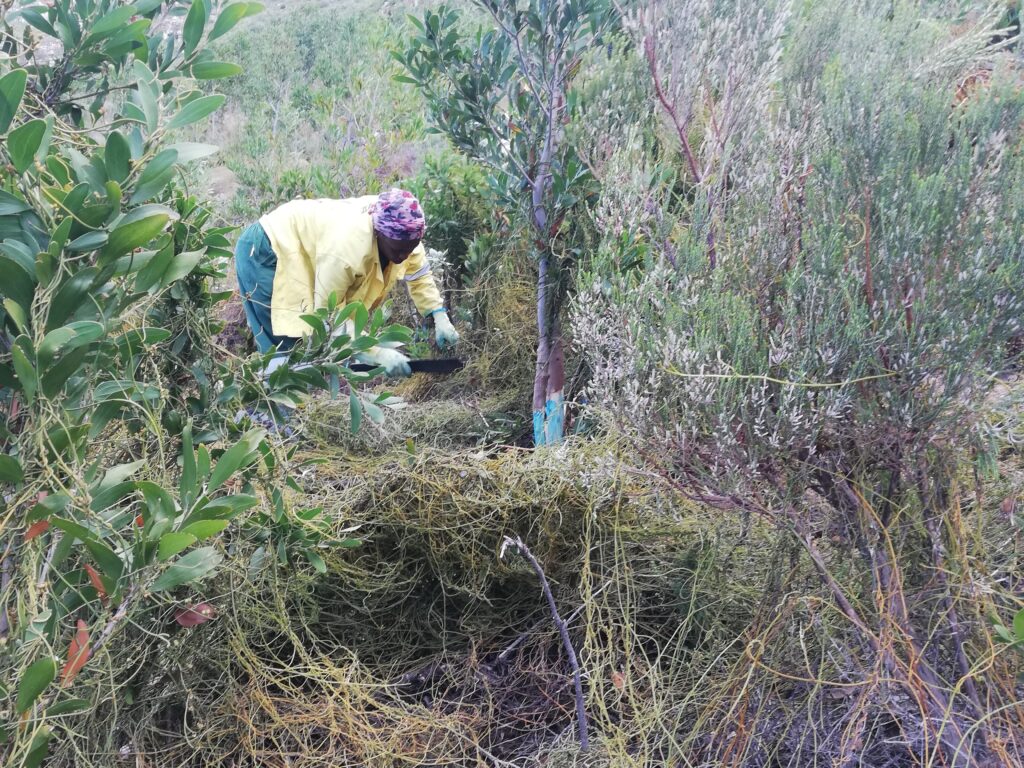
The invasive species control plan is the first step for legal compliance with relevant invasive alien species regulations. The invasive species control plan provides an excellent foundation for the implementation of invasive alien species control and eradication programmes. Invasive alien species control results in reduced wildfire risks as well as reduced risks to water availability posed by invasive alien plants. Environmental benefits include increased biodiversity conservation through controlling invasive alien species and enhancing the recovery of indigenous species. Controlling invasive alien species is labour-intensive and therefore the establishment of large-scale control and eradication programmes has the potential to create employment and skills development opportunities for local communities. These invasive species control plans can also be used to leverage funding from private funders or organisations with an interest in helping address this issue and contributing towards the control and eradication of invasive alien species.
Helping municipalities make the most with the available resources
Our invasive species control plans provide municipalities with a systematic approach to control invasive alien species on their properties. Our plans ensure that key sites are prioritised, and that factors such as public safety and ecological resource protection guides the implementation of the invasive alien species control programmes. Our team of invasive alien specialists also provide guiding principles for landowners to ensure that the potential benefits of these clearing programmes are realised.
Invasive alien species control is a long-term commitment that requires substantial skills and resources. Our invasive species control plans aim to guide municipalities to achieve the best ecological and socio-economic outcomes possible within their available resources.
Contact us to find out more about the invasive alien species assessment and planning work we do.