
Invasive Alien Species Monitoring, Control and Eradication Plan at Kambaku at Sea
Project Type:
Invasive Alien Species Assessment and Monitoring, Control and Eradication Plan
Kambaku at Sea
Consultants:
Apex Conservation Services
Location:
North of Sedgefield, Western Cape, South Africa
Year:
2020
Click on images to enlarge
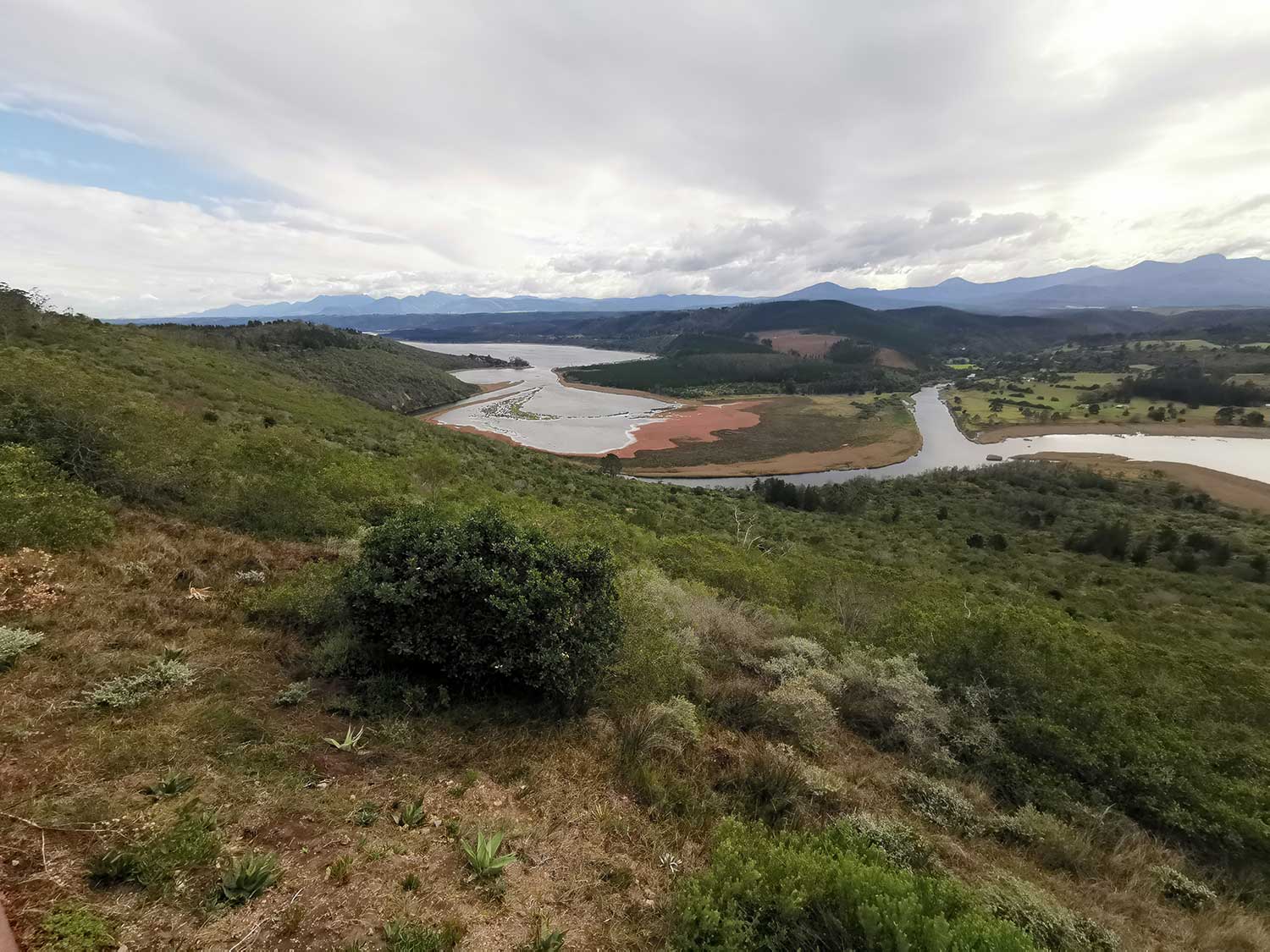


The Kambaku at Sea (KAS) property is located in the Fynbos Biome. Two vegetation types occur on the property, namely Knysna Sand Fynbos and Cape Lowland Fresh Water Wetland. The former is considered an endangered vegetation type with a high biodiversity conservation value, as almost 70% has been completely transformed. A number of listed Invasive Alien Plant (IAP) species are present on the property, including Acacia mearnsii (Black wattle), Acacia saligna (Port Jackson), and Acacia cyclops (Rooikrans).
Apex Conservation Services were approached to develop an IAS Monitoring, Control and Eradication Plan for the property. The purpose of the plan is to ensure compliance with the National Environmental Management: Biodiversity Act (No.10 of 2004), Invasive Species Regulations (2020), and the Alien and Invasive Species Lists (2020) by controlling listed IAP species.
An IAS survey was undertaken on the property and the extent and distribution of the infestations were established. To assist with the planning and implementation of the IAS Control Programme the property was divided into individual Management Units. Focus Areas, where IAP occur at high densities and therefore pose a high ecological risk, were identified within these Management Units (as illustrated in the map on the left).
Three core objectives, each with associated management actions, were provided for the property. The objectives are: (1) Prevention, (2) Early detection and rapid response, and (3) Control, and where possible, eradication of IAP’s. A four-year clearing schedule was also developed for the property, the first year involving the initial clearing of areas with high-risk species.
The IAS Monitoring, Control and Eradication Plan will help the KAS management team control and, where possible, eradicate listed IAS on the KAS property, particularly in those areas that need to be prioritized for management measures.